The rapid growth of electric vehicles (EVs) has brought battery technology to the centre of modern automotive engineering. Among the many challenges associated with EV batteries, thermal management plays a critical role in ensuring safety, performance, and long-term reliability. Smart thermal management systems have emerged as an essential solution to maintain optimal battery temperature under varying operating conditions, making them a key area of focus for mechanical engineers in 2025.
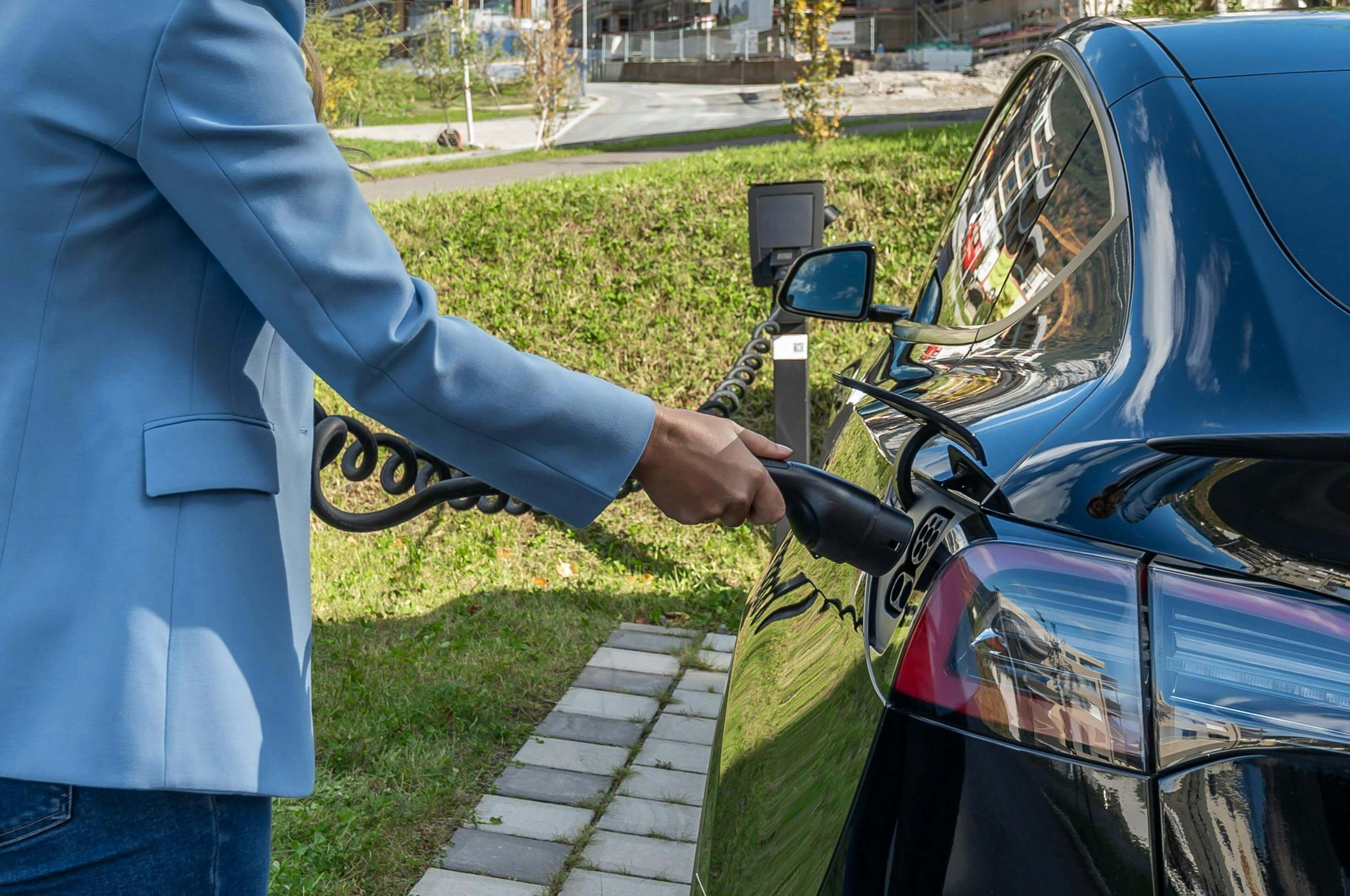
EV batteries operate efficiently only within a specific temperature range, typically between 20°C and 40°C. If the battery becomes too hot, it can lead to thermal runaway, reduced lifespan, and even safety hazards such as fire. On the other hand, low temperatures can significantly reduce battery capacity, charging speed, and power output. Therefore, effective thermal control is necessary to balance performance, safety, and durability of the battery pack.
Traditional thermal management systems relied on simple air or liquid cooling methods with fixed control strategies. However, with increasing battery energy density and fast-charging requirements, these conventional approaches are no longer sufficient. Smart thermal management systems integrate advanced sensors, control algorithms, and real-time data analysis to dynamically regulate battery temperature. These systems continuously monitor parameters such as cell temperature, voltage, current, and ambient conditions to make precise cooling or heating decisions.
One of the most widely used smart solutions is liquid-based thermal management, where coolant flows through channels surrounding the battery cells. Modern systems use intelligent control valves and variable-speed pumps to adjust coolant flow based on real-time demand. In Indian driving conditions, where temperatures can vary widely between regions and seasons, such adaptability is especially important. For example, vehicles operating in hot climates like Rajasthan require aggressive cooling, while those in colder regions may need battery heating during winter mornings.
Another important development is the use of phase change materials (PCMs) in battery packs. These materials absorb excess heat during high-load conditions and release it slowly when the temperature drops. When combined with smart control systems, PCMs help reduce temperature fluctuations and improve thermal uniformity across battery cells. This uniformity is crucial, as uneven temperatures can cause cell imbalance and faster degradation.
Artificial intelligence and machine learning are increasingly being applied to battery thermal management. AI-based systems can predict temperature rise during fast charging or high-speed driving and take preventive actions in advance. Predictive thermal management not only enhances safety but also improves charging efficiency, which is a major concern for EV users in India due to limited charging infrastructure.
Smart thermal management also contributes directly to extending battery life. By avoiding extreme temperatures and maintaining stable operating conditions, these systems reduce chemical degradation inside battery cells. This lowers replacement costs and improves the overall economic viability of electric vehicles, which is a key factor for large-scale adoption in the Indian market.
In conclusion, smart thermal management for EV batteries is a vital engineering solution that ensures safety, efficiency, and durability of electric vehicles. As India moves towards cleaner mobility and increased EV adoption, advancements in intelligent thermal systems will play a decisive role in improving vehicle performance and consumer confidence. For mechanical engineers, this field offers significant opportunities for innovation, research, and real-world impact in the sustainable transportation sector.